By 2026, many enterprises are entering a new phase of artificial intelligence adoption. AI is no longer used only as a tool for analysis or content generation but is increasingly trusted to execute workflows, support decision-making, and perform tasks autonomously through agentic AI.
This shift creates significant opportunities for organizations to improve efficiency and accelerate business processes. However, as AI takes on a greater role in daily operations, enterprises must ensure that these systems can operate securely, remain under control, and align with modern security standards.
The growing autonomy of AI is also changing how organizations approach cybersecurity. When AI systems can independently interact with applications, access business resources, and execute actions, security strategies must evolve to address how AI connects, operates, and makes decisions within enterprise environments.
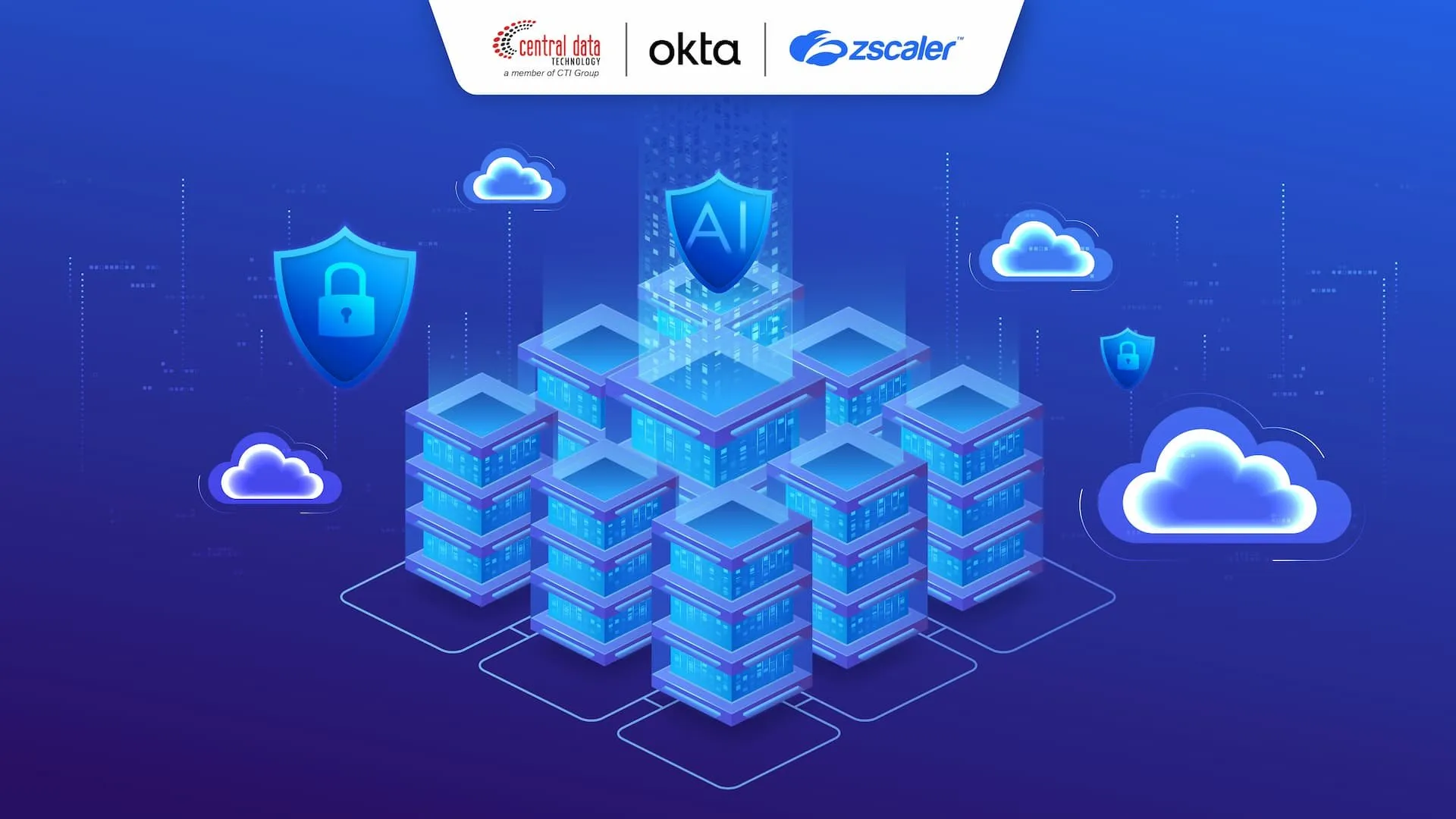
This is where Agentic AI Security becomes increasingly critical, helping organizations protect every layer of AI operations, from data traffic and digital identities to governance and compliance.
Why Traditional Cybersecurity Approaches Are No Longer Enough for Agentic AI
For years, many cybersecurity strategies have focused on protecting the network perimeter, if the primary threat comes from external attackers attempting to gain unauthorized access. However, the rise of agentic AI introduces a different security challenge.
Unlike traditional applications, AI agents are designed to operate autonomously. To complete their tasks, they may have legitimate access to internal applications, APIs, databases, and business systems. This means the risk is no longer limited to preventing unauthorized entry; it is also about controlling how authorized access can be used or potentially misused.
Several security gaps emerge as AI becomes more autonomous:
- Legitimate access can become a security risk
Attackers may exploit existing credentials or permissions assigned to AI agents rather than attempting to bypass security controls. Since these activities can appear similar to normal operations, traditional security tools may struggle to identify malicious behavior.
- AI decision-making processes can be manipulated
Through techniques such as prompt injection, attackers can insert malicious instructions that influence how AI agents respond or take action. This can cause AI systems to bypass security guidelines or execute unintended commands.
- Compromised data can influence AI outcomes
Data poisoning attacks allow attackers to manipulate information used by AI systems. If undetected, compromised data can affect the accuracy of AI-generated insights and the decisions made by autonomous agents.
As AI-driven operations become more complex, enterprises need a security approach that goes beyond perimeter protection. Organizations must gain greater visibility and control over every connection, activity, and access performed by AI systems.
Securing AI Traffic with a Zero Trust Network Access (ZTNA) Approach Through Zscaler Zero Trust Exchange
As AI agents begin connecting with various applications, APIs, and enterprise data sources, every interaction and data exchange needs to be secured with greater visibility and control.
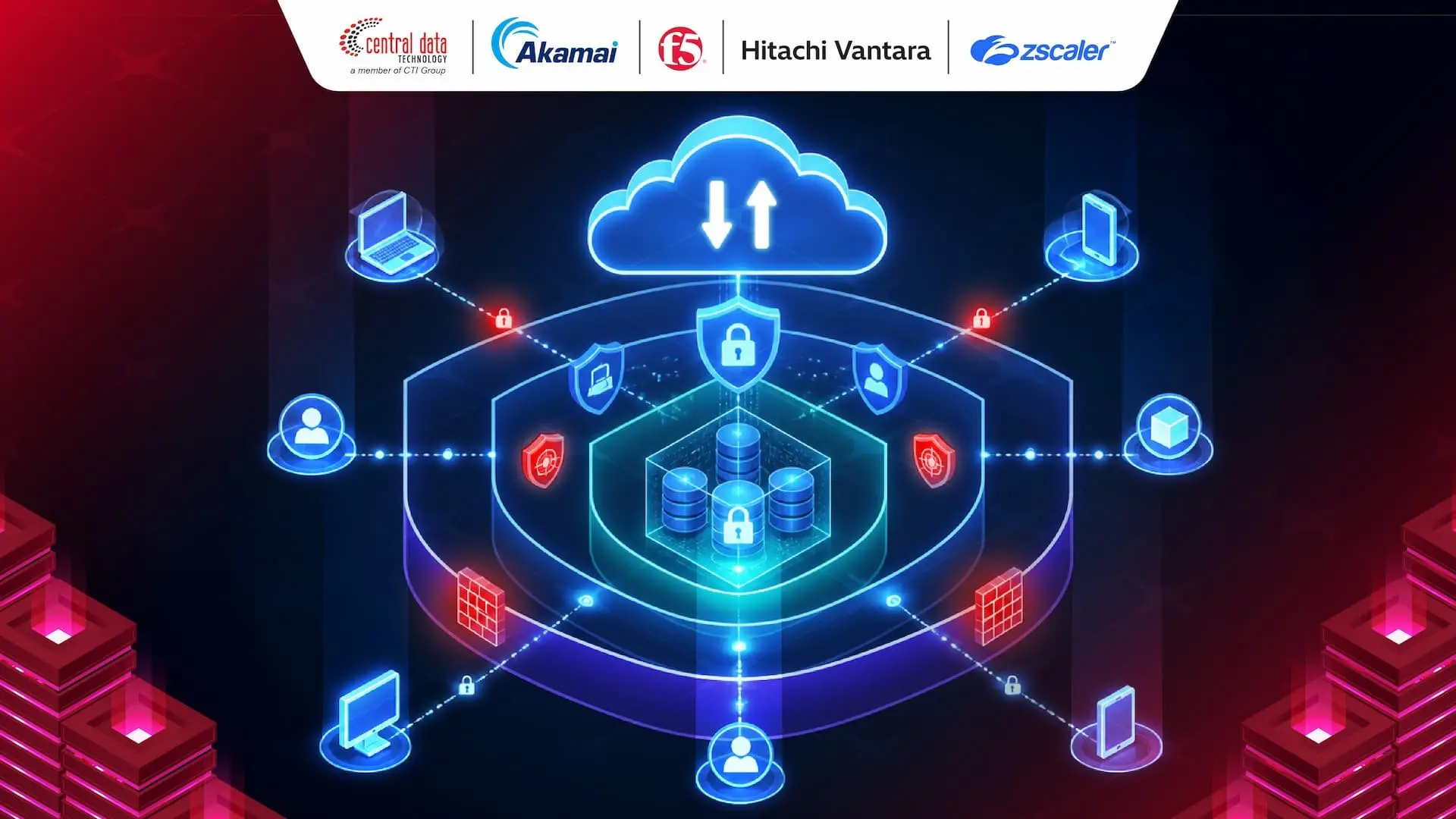
Traditional perimeter-based security is no longer sufficient because AI agents can interact directly with internal systems using legitimate access. Enterprises need a Zero Trust Network Access (ZTNA) approach that continuously verifies every connection and ensures that only authorized activities can proceed based on security policies.
Through Zscaler Zero Trust Exchange, organizations can establish a secure foundation to protect AI communications across cloud, hybrid, and enterprise environments.
Key capabilities that support agentic AI security include:
- Inline AI Traffic Inspection for real-time threat detection
Zscaler inspects AI traffic and activities inline, allowing every AI request and data exchange to be analyzed before reaching its destination. This helps identify malicious instructions, abnormal behavior, or potential AI misuse before it can impact business systems.
- Data Protection for Generative AI to prevent sensitive data exposure
As enterprises adopt generative AI and AI workloads in business processes, preventing accidental data leakage becomes a critical priority. Zscaler helps control how sensitive information, such as customer data, internal documents, and intellectual property is shared with AI services, reducing the risk of unauthorized exposure.
- Zero Trust access controls to reduce system exposure
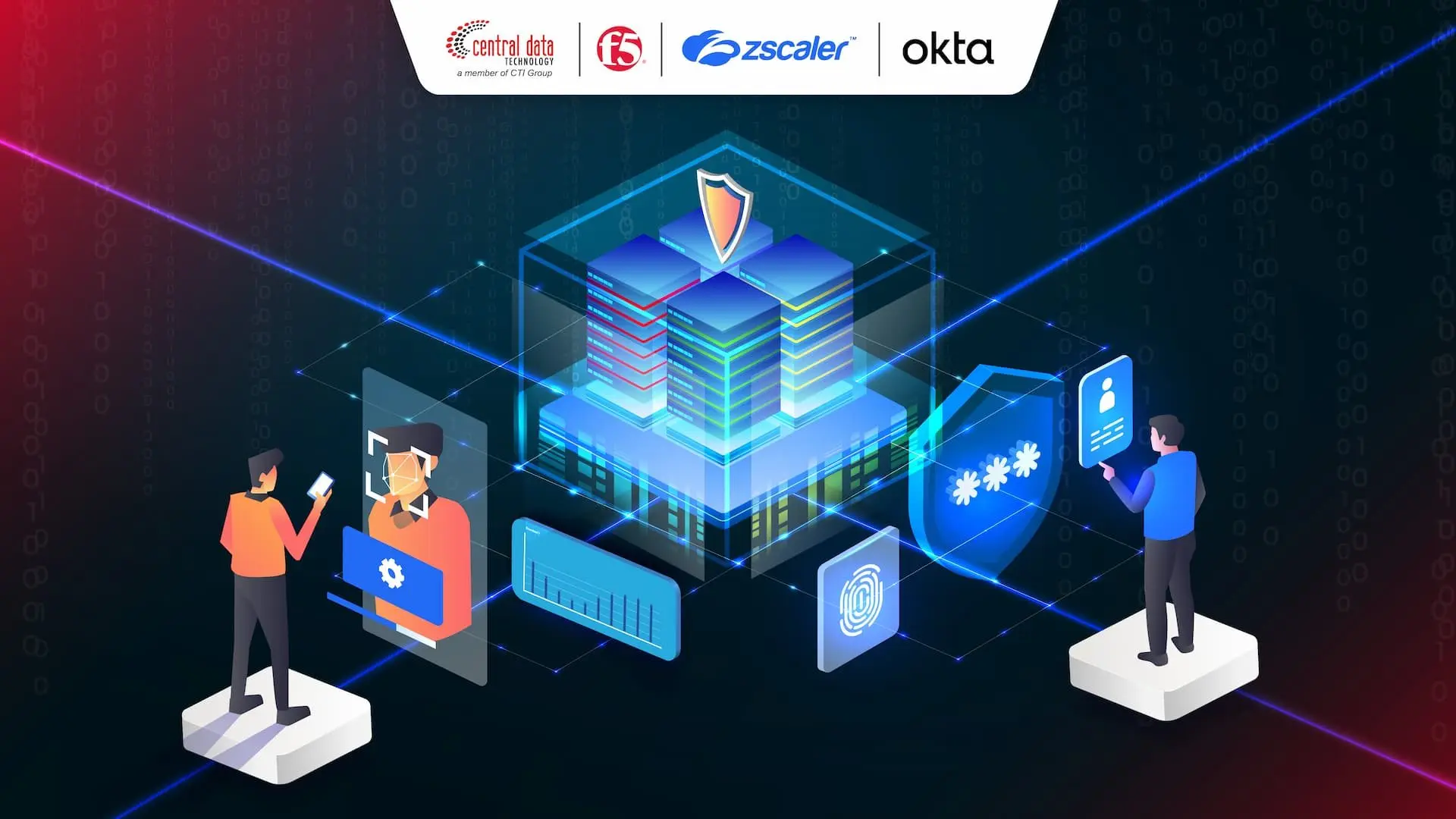
With a Zero Trust approach, every access request from users, devices, and AI agents is evaluated based on identity, context, and security policies. This helps organizations minimize excessive access and limit potential impact if an AI system or credential is compromised.
By implementing this approach, enterprises can leverage AI capabilities while maintaining visibility, control, and confidence over how data and systems are accessed.
However, securing AI traffic flow alone is not enough. As AI agents operate autonomously within enterprise environments, the next challenge is ensuring that their digital identities cannot be compromised or misused. This requires an additional layer of protection focused on identity security.
Securing AI Agent Identity and Access with Okta Identity Security
After securing AI communication channels, the next challenge is ensuring that every AI agent with access to enterprise systems has a trusted and verified identity.
In an agentic AI environment, identity is no longer limited to human users. AI agents also have digital identities, credentials, and access privileges that allow them to interact with applications, systems, and business data.
This makes Identity-Centric Security increasingly important. Enterprises need to ensure that every AI access request is properly verified, continuously monitored, and aligned with security policies.
Through Okta Identity Threat Protection, organizations can strengthen AI agent identity protection through several key capabilities:
- Continuous monitoring to detect compromised credentials
Okta continuously monitors identity activities to identify potential credential misuse. By gaining visibility into access patterns and user or AI agent behavior, organizations can detect suspicious activities and respond to potential threats before they escalate into security incidents.
- Risk-based Adaptive Multi-Factor Authentication (MFA)
Not every access request carries the same level of risk. With adaptive MFA, organizations can apply additional verification based on contextual signals, such as unusual access patterns or requests involving sensitive resources.
- Access controls to prevent unauthorized privilege escalation
AI agents should only receive access required for their specific tasks, not unrestricted access across enterprise systems. Through risk-based access policies and the principle of least privilege, organizations can reduce the potential impact if AI agent credentials are compromised.
With these capabilities, enterprises can continue leveraging AI automation while maintaining control over who, or what can access critical digital assets.
With secured networks and strictly validated AI agent identities, enterprises now have a stronger foundation to move toward the final stage: ensuring autonomous AI operations remain aligned with regulatory and governance requirements.
AI Governance and Compliance: Ensuring Agentic AI Aligns with Regulatory Requirements
Beyond technical security, enterprises must also ensure that agentic AI adoption follows proper governance practices and complies with applicable data protection regulations.
As AI agents become capable of processing and handling data independently, organizations need clear control over how data is collected, used, stored, and accessed. This becomes increasingly important with Indonesia’s Personal Data Protection Law (UU PDP), which requires organizations to manage personal data responsibly and maintain appropriate protection measures.
One of the key challenges is managing the lifecycle of AI agent identities. Each AI agent needs clearly defined controls, from access provisioning and activity monitoring to access removal when it is no longer required.
Through Identity Governance and Administration (IGA) from Okta, enterprises can manage access rights in a more structured way by ensuring every digital identity, including AI agents, only receives permissions aligned with business requirements.
With proper identity governance, organizations can reduce the risk of unauthorized access while ensuring AI adoption remains secure, controlled, and compliant with regulatory expectations.
Also Read: Agentic AI Implementation: What Enterprises Need to Prepare for Autonomous IT
Accelerating Secure AI Transformation with CDT Solutions
As enterprise adoption of agentic AI continues to grow, organizations need to ensure that innovation is supported by strong security foundations. The right approach enables businesses to unlock AI’s potential while maintaining control over data protection, access management, and compliance.
Through security solutions from Zscaler and Okta, Central Data Technology (CDT), part of CTI Group, helps organizations build a stronger foundation for secure AI adoption, from protecting AI traffic and digital identities to enabling more controlled access governance.
With the right expertise and technology solutions, CDT is ready to support enterprises in adopting AI securely and confidently. Contact the CDT team to discuss your AI security strategy and find the right approach to support your organization’s needs.
Author: Wilsa Azmalia Putri – Content Writer CTI Group