In today’s digital landscape, data has become one of the most valuable assets an organization can possess. However, as data volumes continue to grow, so do the challenges associated with managing it. From ensuring data quality and protecting sensitive information to meeting evolving regulatory requirements, organizations need a structured approach to keep their data under control.
This is where data governance plays a critical role. A well-defined data governance strategy helps organizations ensure that their data remains accurate, secure, accessible to authorized users, and compliant with applicable regulations.
How Data Governance Helps Organizations Navigate Evolving Data Privacy Regulations?
With the growing emphasis on personal data protection regulations worldwide, organizations are under increasing pressure to strengthen how they manage and govern data. This applies not only to large enterprises but also to educational institutions, healthcare providers, government agencies, and digital businesses.
Without effective data governance, organizations face risks such as data breaches, poor decision-making caused by inaccurate information, and regulatory violations that can damage both reputation and business operations.
By implementing a robust data governance framework, organizations can establish consistent data management standards, control who has access to sensitive information, and ensure that business-critical data remains trustworthy and reliable.
The Three Core Pillars of Data Governance
Successful data governance is not driven by technology alone. Organizations must also establish processes, policies, and accountability to ensure data is managed consistently throughout its lifecycle.
1. Data Availability
Data should be readily accessible to authorized users who need it to support business operations and decision-making. However, accessibility must always align with established governance policies and security requirements.
2. Data Integrity
High-quality data is essential for effective business operations. Inconsistent, duplicated, or inaccurate data can lead to flawed analysis and poor strategic decisions. Maintaining data integrity ensures that information remains complete, accurate, and reliable across systems and processes.
3. Data Security
Security is the foundation of modern data governance. Organizations must protect data from unauthorized access, misuse, insider threats, and increasingly sophisticated cyberattacks. Strong security controls help safeguard valuable information while supporting compliance and operational resilience.
Read More: Why Telemetry Data Is the Key to Understanding Modern IT Systems
Modernizing Data Infrastructure with Hitachi Vantara Pentaho
Many organizations today manage data across multiple sources, including business applications, databases, cloud platforms, and third-party systems. The challenge lies in bringing these disparate data sources together in a meaningful and manageable way.
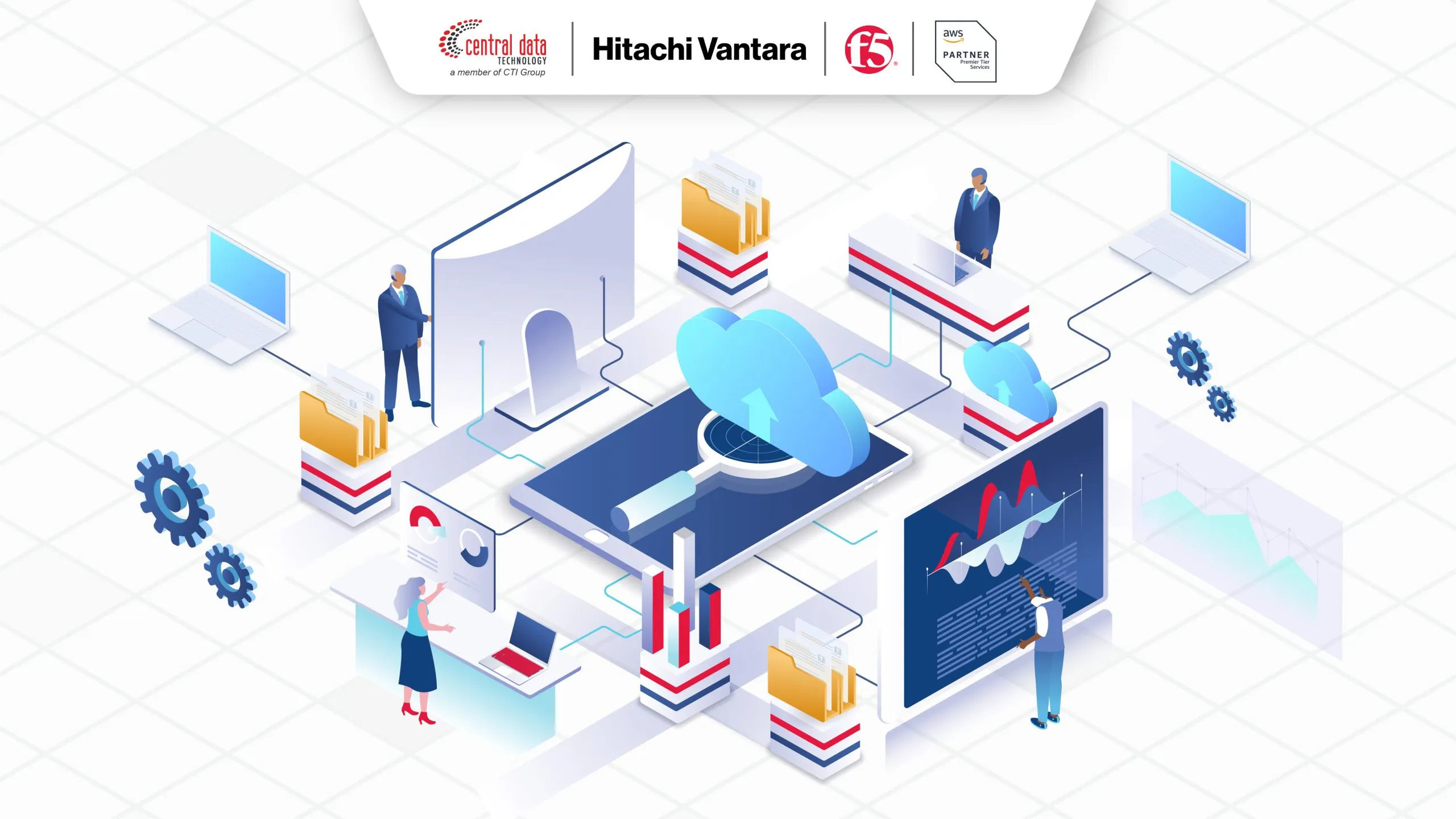
Hitachi Vantara Pentaho enables organizations to integrate data from diverse environments through a structured and centralized workflow. The platform supports hybrid data management across both on-premises and cloud environments, providing greater visibility into enterprise data assets.
By streamlining data integration and orchestration, organizations can reduce management complexity while improving the quality and consistency of data used for business intelligence and analytics.
AWS Lake Formation, Simplifying Data Access and Visibility
When data is spread across numerous applications, databases, and cloud environments, managing access and maintaining visibility can become increasingly complex.
AWS Lake Formation addresses these challenges by providing a secure and scalable foundation for building and managing data lakes. From access permissions to data catalog management, organizations can centralize governance processes and improve operational efficiency.
As a result, users gain better visibility into data assets, making information easier to discover, access, and utilize without compromising security or compliance requirements.
Synchronizing Security Policies with F5 Distributed Cloud Services
As organizations continue adopting hybrid and multi-cloud architectures, maintaining consistent security and governance policies across environments becomes more challenging.
F5 Distributed Cloud Services (F5 XC) helps organizations enforce standardized security and governance policies across multiple cloud environments. The solution provides centralized visibility into distributed applications and APIs running across diverse infrastructures.
This enables businesses to reduce risk, strengthen compliance efforts, and gain greater control over application traffic and data flows throughout their digital ecosystem.
Build an Adaptive Data Governance Roadmap with CDT
Central Data Technology (CDT), a member of the CTI Group, helps organizations develop effective data governance strategies through modern solutions such as Hitachi Vantara Pentaho, AWS Lake Formation, and F5 Distributed Cloud Services.
Ready to strengthen your data governance strategy? Connect with the CDT team and discover how a structured, secure, and scalable governance framework can support your organization’s long-term growth and digital transformation goals.
Author: Angela Merici Retna Perwitasari
Content Writer Intern CTI Group