
Data lakes are often considered the ideal solution for storing and managing large amounts of data. However, without proper management, a data lake can turn into a data swamp—a collection of raw, unstructured data that is difficult to access and prone to analytical errors. Instead of providing value to businesses, disorganized data hinders decision-making.
According to Gartner (2024), poor data quality can lead to losses of up to $12.9 million annually. Without effective monitoring, inaccurate data poses risks of wrong business decisions, security threats, and failure to comply with regulations.
So, what is a data lake? And how can you build an efficient and optimized Data Lake Architecture? In this article, we will discuss the concepts, challenges, and strategies to keep your data lake structured, secure, and ready for use.
What is a Data Lake?
A data lake is a large-scale storage system that holds data in various formats—structured, semi-structured, and unstructured—without requiring any initial transformation. Unlike a data warehouse, which requires data to be converted into a specific schema before use, a data lake stores data in its raw form, offering greater flexibility for Big Data analysis, AI, and Machine Learning.
With the right architecture, a data lake allows data integration from various sources, ensuring quick accessibility and supporting advanced analytics without compromising scalability and efficiency.
What is Data Lake Architecture?
Data lake architecture is a framework that governs how data within a data lake is stored, managed, processed, and secured to remain structured and optimally usable. Unlike a simple data lake that merely serves as a repository for raw data, this architecture ensures that data remains accessible, integrated, and efficiently analyzed.
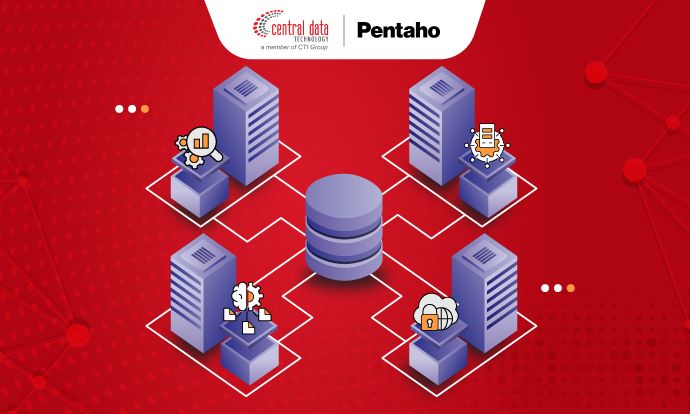
The architecture consists of several key components:
- Ingestion Layer: Manages the flow of data from various sources such as databases, IoT, and applications.
- Storage Layer: Stores data in its original format with organized management.
- Processing Layer: Facilitates transformation, Big Data analytics, and Machine Learning.
- Security & Access Layer: Controls permissions, encryption, and regulatory compliance.
Why is Data Lake Monitoring Crucial for Performance and Security?
Data lake monitoring is the process of overseeing and managing data within the data lake to maintain the system’s quality, security, and efficiency. With metadata tracking, observability pipelines, and performance analytics, monitoring ensures data integrity, controlled access, and real-time anomaly detection to prevent data corruption and improve operational efficiency. Why is this crucial? Here are some reasons.
Maintaining Data Quality
Without monitoring, a data lake is at risk of being filled with duplicate, incomplete, or invalid data. Monitoring ensures accuracy and consistency, making the data reliable for analytics and decision-making.
Preventing Data Swamp
Without a clear monitoring system, a data lake can turn into a data swamp—a collection of raw, unstructured data that is difficult to use. Monitoring ensures that the data remains organized, easily searchable, and business-relevant.
Enhancing Security and Compliance
Monitoring allows for stricter control over user access, encryption, and threat detection. This is crucial for compliance with regulations such as GDPR, HIPAA, and ISO 27001, and preventing data breaches.
Optimizing System Performance
Effective monitoring helps identify bottlenecks in data processing, ensuring efficient resource usage, low latency, and optimal performance for Big Data analytics and AI.
Supporting Data Lake Scalability
As data grows, without proper monitoring, the system can become overwhelmed. Proactive monitoring allows for capacity adjustments and storage optimization without disrupting operations.
What Are the Biggest Challenges in Data Lake Monitoring?

The complexity of data lake architecture, continuous data volume growth, and the need for tight security make monitoring challenging. Without an effective monitoring system, a data lake may lose its functionality, slow down analytics, and increase security risks. Here are some of the key challenges in data lake monitoring.
Increasing Data Volume
Data lakes store large amounts of data from various sources, and their growth is exponential. Without a scalable monitoring system, managing storage, query performance, and data processing can become inefficient.
Data Inconsistencies and Quality
Data entering the data lake often comes from different sources with varying formats and standards. Without proper monitoring, duplicates, missing data, or invalid entries can disrupt analytics and machine learning results.
Security and Compliance Complexity
Data lakes often store sensitive information that needs protection. Monitoring must ensure strict access controls, encryption, and compliance with regulations such as GDPR and HIPAA, which can be challenging if not managed properly.
Data Processing Latency
Data access speed is critical for real-time analytics. However, without efficient monitoring, bottlenecks in the data pipeline can cause delays, slowing down insights and hindering business decision-making.
Difficulty in Tracking and Observability
Without clear monitoring, it is difficult to know the lineage of data, how it has changed, and who has accessed or modified it. Lack of visibility can cause compliance risks and make troubleshooting errors harder.
How to Optimize Data Lake for Efficiency and Reliability?
To address the various challenges in managing a data lake, proper optimization strategies are needed to keep the system efficient, secure, and reliable. Here are the main strategies to optimize a Data Lake.
Data Lifecycle Management
Managing the data lifecycle by implementing tiered storage, where frequently accessed data is stored on fast storage, while older or less-used data is moved to more cost-effective storage like object storage or cold storage.
Metadata Management & Data Cataloging
Ensuring data remains organized with metadata management and data cataloging, which allows for faster data searches, improves data lineage visibility, and prevents duplication and inconsistency.
Query Performance Optimization
Using indexing, partitioning, and optimal storage formats like Parquet or ORC to speed up queries, reduce latency, and improve Big Data analytics efficiency.
Proactive Security & Compliance
Implementing role-based access control (RBAC), end-to-end data encryption, and real-time logging and auditing to prevent unauthorized access and maintain compliance with regulations like GDPR, HIPAA, and ISO 27001.
Automated Monitoring & Observability
Using observability tools to detect anomalies, monitor system performance, and automatically analyze data usage trends to prevent bottlenecks and risks of data swamp early on.
A well-structured data lake architecture demands more than just a strategy—it requires a solution capable of managing the entire data lifecycle efficiently. Pentaho offers a comprehensive data integration and analytics platform, enabling businesses to seamlessly handle data from ingestion to advanced analytics while ensuring accuracy, security, and accessibility.
Read More: Data Management: Why It Matters for Your Business Success
Optimize Your Data Lake Architecture with Pentaho
Pentaho is a data integration and analytics platform designed to help businesses manage data flow from various sources into a data lake architecture. With a data orchestration approach, this solution ensures that every piece of data remains structured, accurate, and quickly accessible for in-depth analytics.
With seamless integration capabilities, Pentaho connects data from multiple sources without compromising efficiency or security. Its key strengths lie in simplifying data management, enabling real-time processing, and ensuring data quality and consistency. By leveraging this intelligent approach, businesses can optimize their data lakes, accelerate data-driven decision-making, and support advanced analytics, Big Data, AI, and Machine Learning more effectively.
Key Features of Pentaho
From ETL automation to Big Data and AI integration, here are the key features that make Pentaho the ideal solution for smarter data transformation.
ETL (Extract, Transform, Load) for Data Lakes
Automates data pipelines with seamless ingestion, transformation, and cleansing processes, ensuring smooth integration from multiple sources.
Intuitive Data Preparation
A user-friendly drag-and-drop interface simplifies data blending, transformation, and cleansing without requiring complex programming skills.
Big Data & IoT Integration
Directly connects with IoT devices, databases, and cloud platforms, enabling businesses to manage and analyze large-scale data with greater flexibility.
Interactive Dashboards & Reporting
Provides real-time analytics and customizable reports, allowing users to gain insights faster and more accurately.
Machine Learning & AI Support
Integrates AI-driven insights into business applications, supporting predictive analytics and Machine Learning for automated decision-making.
Enterprise Security & Data Governance
Ensures data security with role-based access control (RBAC), audit trails, and compliance management for regulations like GDPR, HIPAA, and industry standards.
How Pentaho Supports Various Data Lake Needs?
Pentaho enables businesses to manage data lakes more efficiently, from cross-platform integration to AI and Machine Learning-driven analytics. This solution streamlines data workflows, automates pipelines, and ensures synchronization between on-premises and cloud environments. With support for big data processing, real-time analytics, and enterprise reporting, Pentaho helps organizations accelerate data access, enhance regulatory compliance, and optimize data-driven decision-making.
Ready to Optimize Your Data Lake? Contact CDT
Implement efficient data management and analytics solutions with Central Data Technology (CDT), part of CTI Group, to ensure your business data is managed optimally. As an authorized advanced partner of Hitachi Vantara in Indonesia, CDT ensures smooth and effective implementation of Pentaho solutions.
Consult your data and analytics management needs with our team here and start your more efficient and secure digital journey.
Author: Danurdhara Suluh Prasasta
CTI Group Content Writer


