
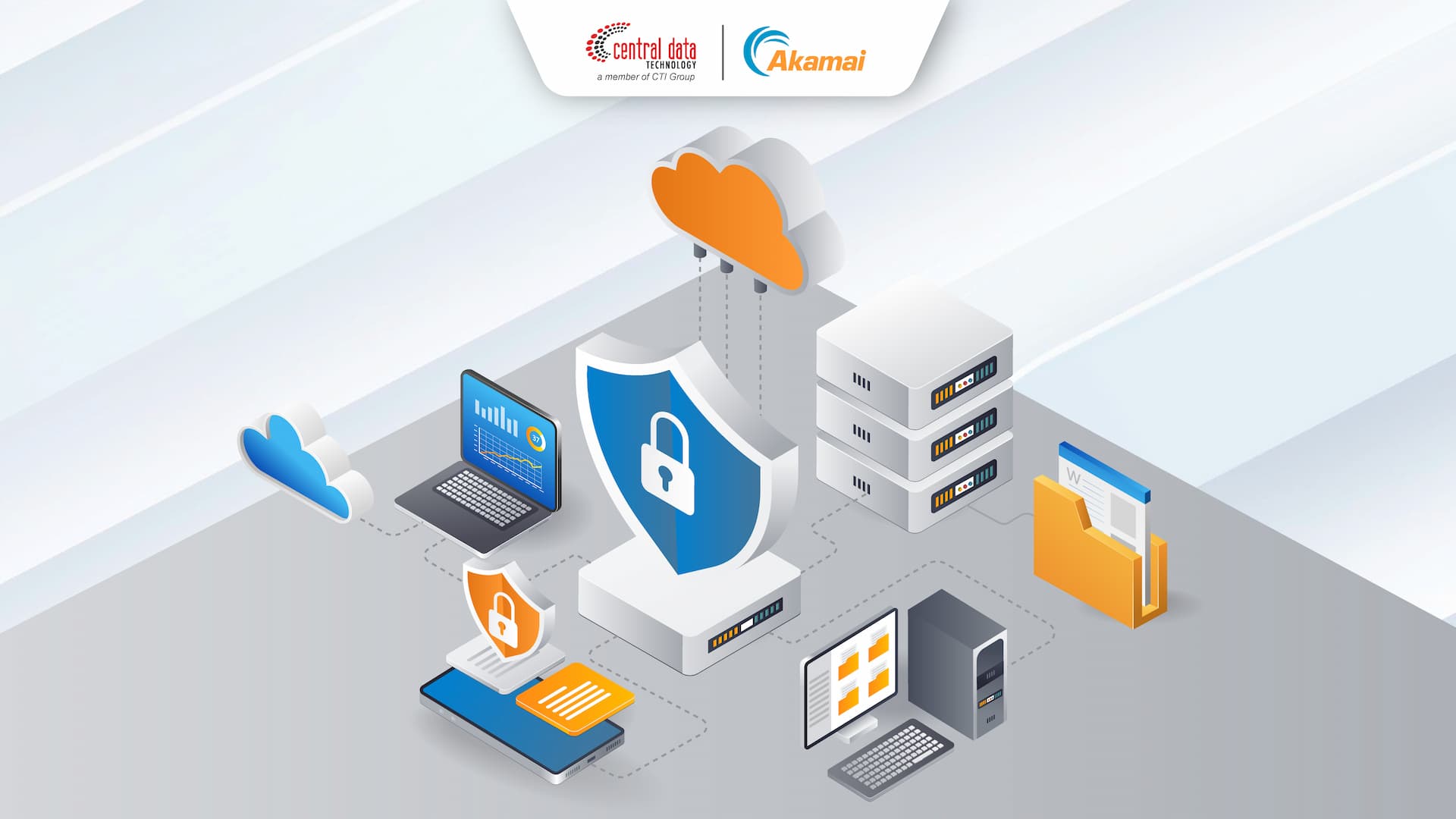
As modern IT environments grow increasingly complex, traditional perimeter-based security approaches struggle to keep pace with evolving cyber threats. Cloud and hybrid environments, along with increasingly distributed applications, mean that attacks no longer come solely from outside the network—they can also move laterally within systems by exploiting interconnections between components.
This situation has driven many organizations to adopt a Zero Trust approach. According to Gartner, 63 percent of organizations worldwide have implemented this strategy. However, in practice, Zero Trust implementations are often partial, particularly in complex and hybrid IT environments. Without adequate technical controls, the risk of lateral movement within networks remains.
It is at this point that microsegmentation becomes a critical element, turning Zero Trust from a strategic concept into actionable security controls.
What Is Microsegmentation?
Microsegmentation is a security approach that divides an organization’s IT environment into smaller, more tightly controlled segments, such as specific applications or systems. Each segment is allowed to communicate only as necessary, enabling more precise access control compared to traditional network segmentation methods.
Why Traditional Network Segmentation Is No Longer Sufficient
Conventional network segmentation typically relies on VLANs, subnets, or IP-based firewalls. While effective in static environments, these methods become difficult to manage as infrastructures evolve into hybrid and highly dynamic architectures. Application changes or new workload deployments often require complex and time-consuming reconfigurations.
In addition, traditional network-based segmentation lacks deep visibility into application-level communication. As a result, many organizations struggle to fully understand application dependencies, increasing the likelihood of misconfiguration and security gaps.
Application Segmentation Within a Microsegmentation Approach
Application segmentation focuses on protection at the application level rather than solely at the network layer. Each application component—such as databases, application servers, and supporting services—is secured based on its specific role and function.
This approach allows security policies to align with how applications actually operate. Application segmentation is particularly well suited for modern, distributed applications running across multiple environments, including cloud and containerized platforms.
How Microsegmentation Is Implemented in IT Environments
Microsegmentation works by monitoring and mapping detailed communication flows between workloads, then enforcing access policies based on identity, application, or contextual attributes. Instead of relying solely on IP addresses, policies are defined using more relevant attributes such as processes, users, and application functions.
In practice, microsegmentation can be implemented through several approaches and methods, including:
- Agent-based microsegmentation: Agents deployed on workloads provide granular visibility and control.
- Agentless microsegmentation: Leverages platform or infrastructure integrations without requiring agent installation.
- Application-centric segmentation: Focuses on securing communication between application components.
- Identity- and context-based policies: Policies defined by user identity, process, or application role.
- Hybrid deployment support: Enables consistent enforcement across bare metal, virtual machines, containers, and cloud environments.
This flexibility allows microsegmentation to adapt to modern organizational needs while supporting scalable and dynamic IT operations.
Microsegmentation in Modern Security Practices
To ensure effective implementation without disrupting operations, organizations should adopt a measured, visibility-driven approach. Common best practices include:
- Establishing comprehensive visibility into traffic flows and application dependencies before enforcing policies.
- Adopting a phased approach, starting with the most critical applications or systems.
- Defining policies based on identity and context rather than IP addresses alone.
- Continuous testing and monitoring policies to prevent service disruption.
- Aligning microsegmentation initiatives with broader security strategies such as Zero Trust.
In real-world environments, microsegmentation is commonly used for the following security scenarios:
- Protecting business-critical applications from unauthorized access.
- Restricting third-party access to internal systems.
- Isolating sensitive workloads such as databases or financial systems.
- Controlling lateral movement during breach or ransomware incidents.
- Securing hybrid and cloud environments with consistent policies.
When implemented correctly, microsegmentation serves as a highly effective defense layer, strengthening an organization’s overall security posture against evolving cyber threats.
Business and Operational Benefits of Microsegmentation
From a business perspective, microsegmentation delivers strategic value by helping organizations:
- Reduce the impact of security incidents by limiting internal threat movement.
- Minimize downtime risks that can disrupt business operations and services.
- Protect high-value data assets from unauthorized access.
- Enhance customer and partner trust while safeguarding corporate reputation.
- Support business continuity amid an increasingly complex threat landscape.
- Enhancing protection against ransomware by preventing lateral malware spread, allowing infections to be isolated within specific segments without disrupting the entire system.
Operationally, microsegmentation also provides significant advantages, including:
- Clear visibility into application of communication flows and dependencies.
- Faster troubleshooting and incident investigation through richer context.
- Improved audit readiness and compliance through measurable access controls.
- More effective long-term security planning based on accurate data.
- Automated security policy enforcement, reducing manual workloads for IT teams.
With the right approach, microsegmentation not only strengthens security but also enables organizations to operate more efficiently and predictably.
The Role of Microsegmentation in a Zero Trust Strategy
Zero Trust is built on the principle of “never trust, always verify,” where no entity is inherently trusted, whether inside or outside the network. Microsegmentation provides the technical foundation required to enforce this principle at workload and application levels.
By strictly limiting access based on necessity, microsegmentation ensures that every communication request is verified. This enables organizations to implement Zero Trust consistently, even across hybrid and multi-cloud environments.
Regulatory Compliance Through a Microsegmentation Approach
Many security standards and regulations—such as ISO 27001, PCI DSS, and various data protection frameworks—require strict access controls and protection of sensitive data. Microsegmentation supports compliance by ensuring that only authorized entities can access specific systems.
Beyond improving security, microsegmentation also simplifies audit processes through enhanced visibility and enforceable controls. As a result, organizations can strengthen their security posture while maintaining regulatory compliance.
In practice, the need for comprehensive visibility and consistent policy enforcement across diverse environments is driving organizations to adopt modern microsegmentation platforms such as Akamai Guardicore Segmentation.
Modern Microsegmentation with Akamai Guardicore Segmentation
Akamai Guardicore Segmentation is designed to simplify microsegmentation implementation across complex and evolving IT environments. The solution provides deep visibility into application dependencies while enabling precise security policy enforcement without disrupting operations.
Built on a software-based approach with broad platform support, Akamai Guardicore Segmentation enables organizations to translate security strategies—such as Zero Trust—into consistent, actionable technical controls, while supporting efforts to prevent and contain ransomware spread.
Key Features of Akamai Guardicore Segmentation
Akamai Guardicore Segmentation offers several key capabilities, including:
- AI-powered granular segmentation: Enables policy creation in just a few clicks through intelligent recommendations and ready-to-use templates.
- Real-time and historical visibility: Extends down to the user and process levels, allowing security teams to fully understand application behavior and dependencies.
- Broad platform support: Covers legacy systems, bare-metal servers, virtual machines, containers, cloud environments, and IoT.
- Flexible asset labeling: Provides customizable context to enhance visibility and policy enforcement.
- Threat intelligence integration: Accelerates detection, response, and mitigation of potential threats, including ransomware attack patterns and activities.
Operational dan Security Outcomes
Akamai Guardicore Segmentation delivers measurable benefits for both security and operations, including:
- Reduced incident response time: Limiting lateral movement during an attack to stop ransomware spread within specific segments.
- Minimized cyberattack impact: Through granular and well-defined access controls that effectively isolate ransomware-infected workloads.
- Automated security policies: Reducing manual workloads for IT teams.
- Consistent security enforcement: Across the entire IT environment.
- Scalable and operational efficiency: Supporting infrastructure growth and system complexity.
- Improved audit readiness and long-term security: Without requiring major architectural changes, while strengthening the security posture against evolving ransomware threats.
Explore More Solutions: Akamai on Central Data Technology
Maximize Your Microsegmentation Strategy with CDT
Strengthen the protection and control of your digital infrastructure with Central Data Technology (CDT), part of the CTI Group. With extensive experience delivering enterprise-grade security solutions, CDT helps organizations implement microsegmentation strategies in a structured and effective manner across cloud, hybrid, and on-premises environments.
Backed by strategic partnerships with leading global vendors, CDT is ready to support organizations in selecting and implementing the right solutions—including Akamai Guardicore Segmentation—to deliver comprehensive visibility, precise access control, and resilience against modern cyber threats.
Contact us today to explore a microsegmentation approach tailored to your business needs.
Author: Moyna Farla Tsabitah
CTI Group Content Writer Intern