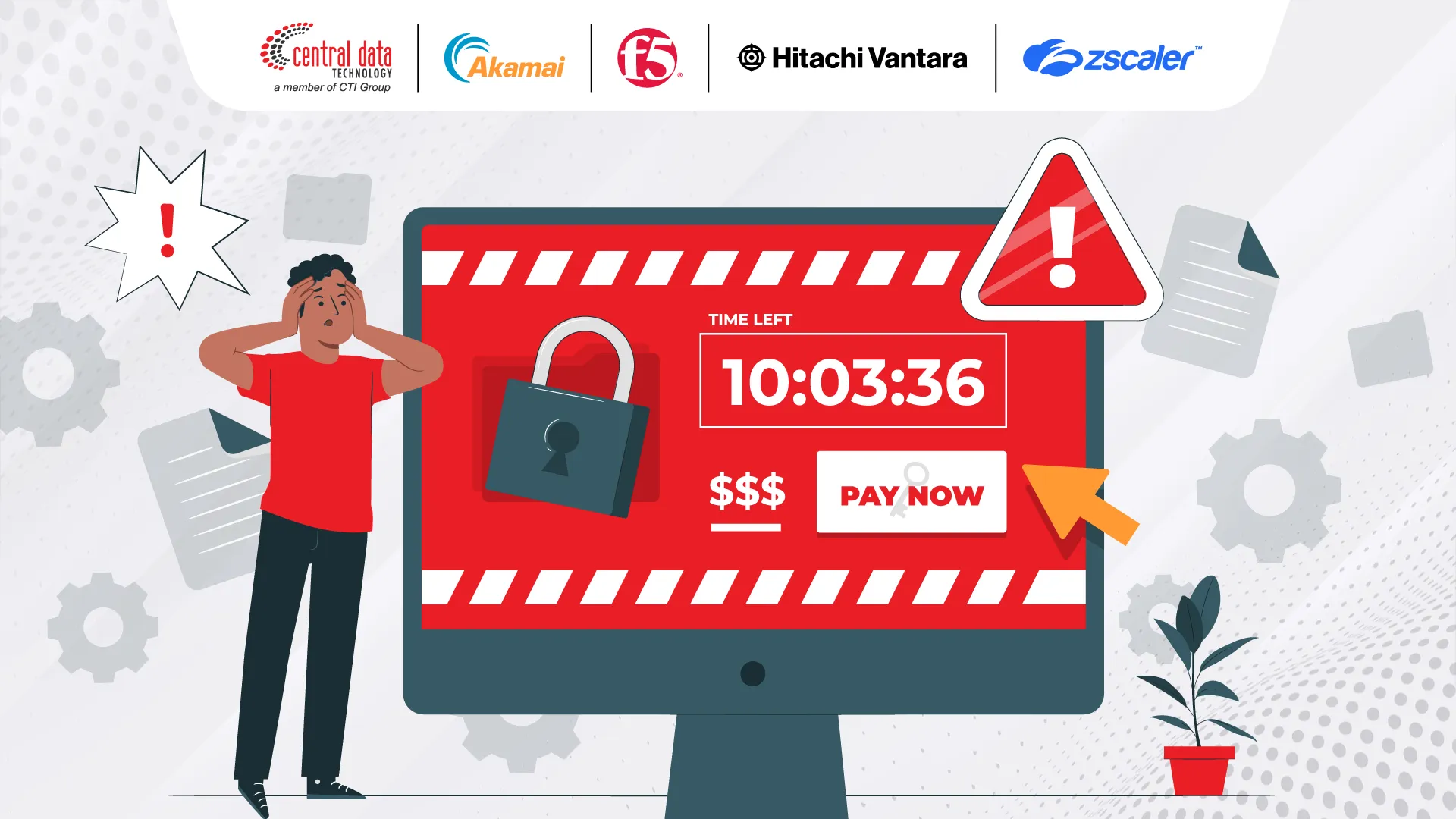
Ransomware has moved beyond IT. It’s now a direct threat to operations, revenue, and customer trust, often hitting before teams have time to react. Many organizations still treat it as something to deal with after the fact, when systems are already locked and the damage is underway.
The real advantage comes from being prepared earlier. Knowing how these attacks get in and how to stop them before they spread is what keeps the business running.
Ransomware and Its Impact on Business Operations
When ransomware strikes, the impact is immediate. Operations are disrupted, services go offline, access is lost, and in many cases, data is also exfiltrated as part of the attack.
At that point, ransomware is no longer just a security issue. It becomes an operational risk, leading to downtime, service interruptions, and financial pressure that can escalate quickly.
How Ransomware Enters and Spreads Across Systems

Most attacks begin with something that looks harmless. A phishing email, a vulnerability in an application, or overly broad user access. From there, attackers gain initial entry and establish a foothold inside the system.
The attack doesn’t trigger immediately. Instead, it unfolds gradually. Attackers move laterally, escalate privileges, and expand their reach across the environment. This phase, known as lateral movement, continues until they have enough access to launch the main attack, whether that’s encrypting data or extracting sensitive information.
How to Detect Attacks Early
Early detection doesn’t rely on a single alert. It depends on the ability to recognize subtle changes in system behavior. What looks normal on the surface can reveal anomalies when viewed more closely.
Consistent visibility into traffic, user access, and workload activity helps uncover patterns that deviate from the norm. Unusual access behavior, unexpected communication between systems, or activity outside regular hours can all serve as early indicators. The sooner these signals are identified, the greater the chance of stopping the attack before it spreads further.
Essential Steps to Reduce Ransomware Risk
Ransomware doesn’t appear out of nowhere. It exploits gaps across multiple layers, from users to applications to the network. That’s why prevention needs to be built holistically. Without consistent controls across the environment, even small gaps can escalate into incidents that disrupt operations.
To keep risk under control, several key areas need to be addressed early on.
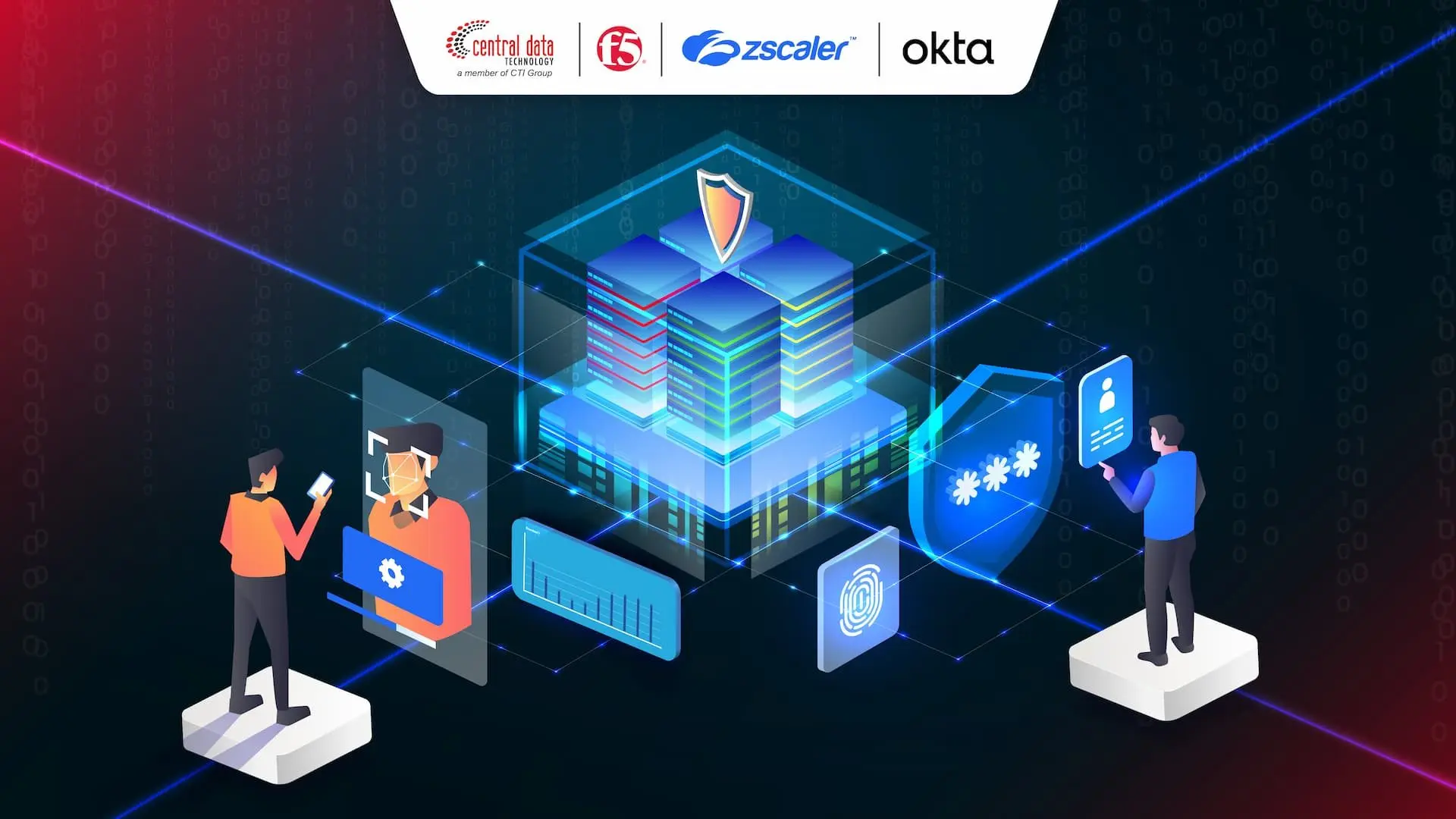
Adopt Zero Trust Access Controls
Access should be limited to only what is necessary. By removing unrestricted access to internal networks, movement within the environment becomes more controlled.
Secure Applications and APIs
Applications are often the first entry point. Protecting against vulnerabilities and exploits helps close off attack paths early.
Keep Systems Patched and Updated
Unpatched vulnerabilities are easy targets. Regular updates reduce the attack surface and minimize exposure.
Strengthen User Awareness
Phishing remains one of the most common attack methods. Educating users to recognize suspicious emails and links helps prevent attacks before they begin.
Improve System Visibility
Monitoring enables early detection of abnormal activity, allowing potential threats to be addressed before they escalate.
Ransomware Already Inside? Make Sure These Three Layers Are Ready
Not every attack can be stopped at the entry point. Once access has been established, the focus shifts to controlling the impact and restoring operations as quickly as possible.
At this stage, three critical areas need close attention.
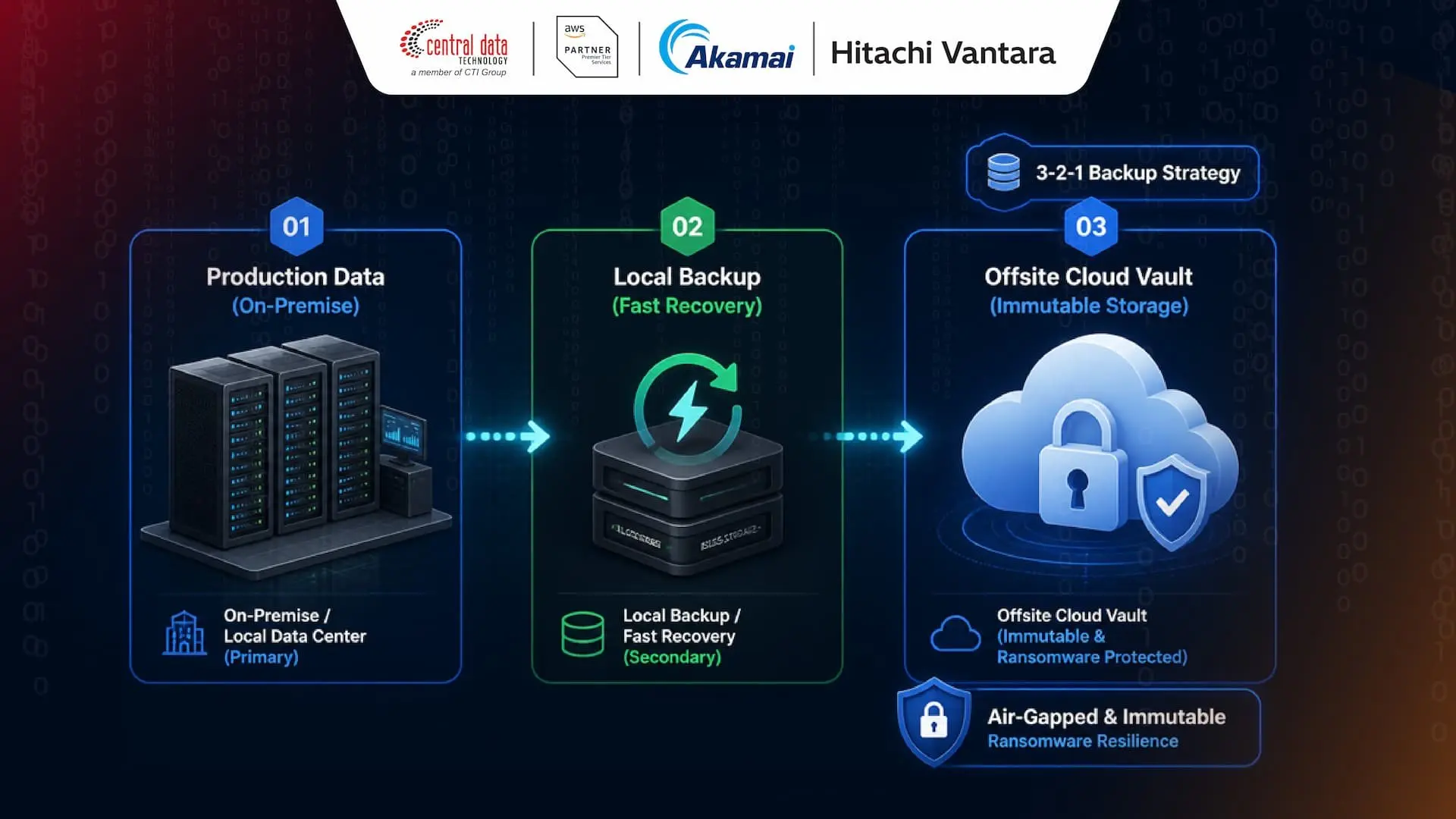
Reliable and Secure Backup
Backups must remain intact even when primary systems are affected. Immutable storage ensures that backup data cannot be altered and is ready for recovery when needed.
Fast and Efficient Recovery
Recovery speed is critical. The faster systems can be restored, the lower the impact on services and business operations.
Controlled Access to Limit Spread
Once inside, attackers rely on movement. Zero Trust principles help contain that movement by enforcing strict access controls across the environment.
Why an Integrated Security Architecture Matters
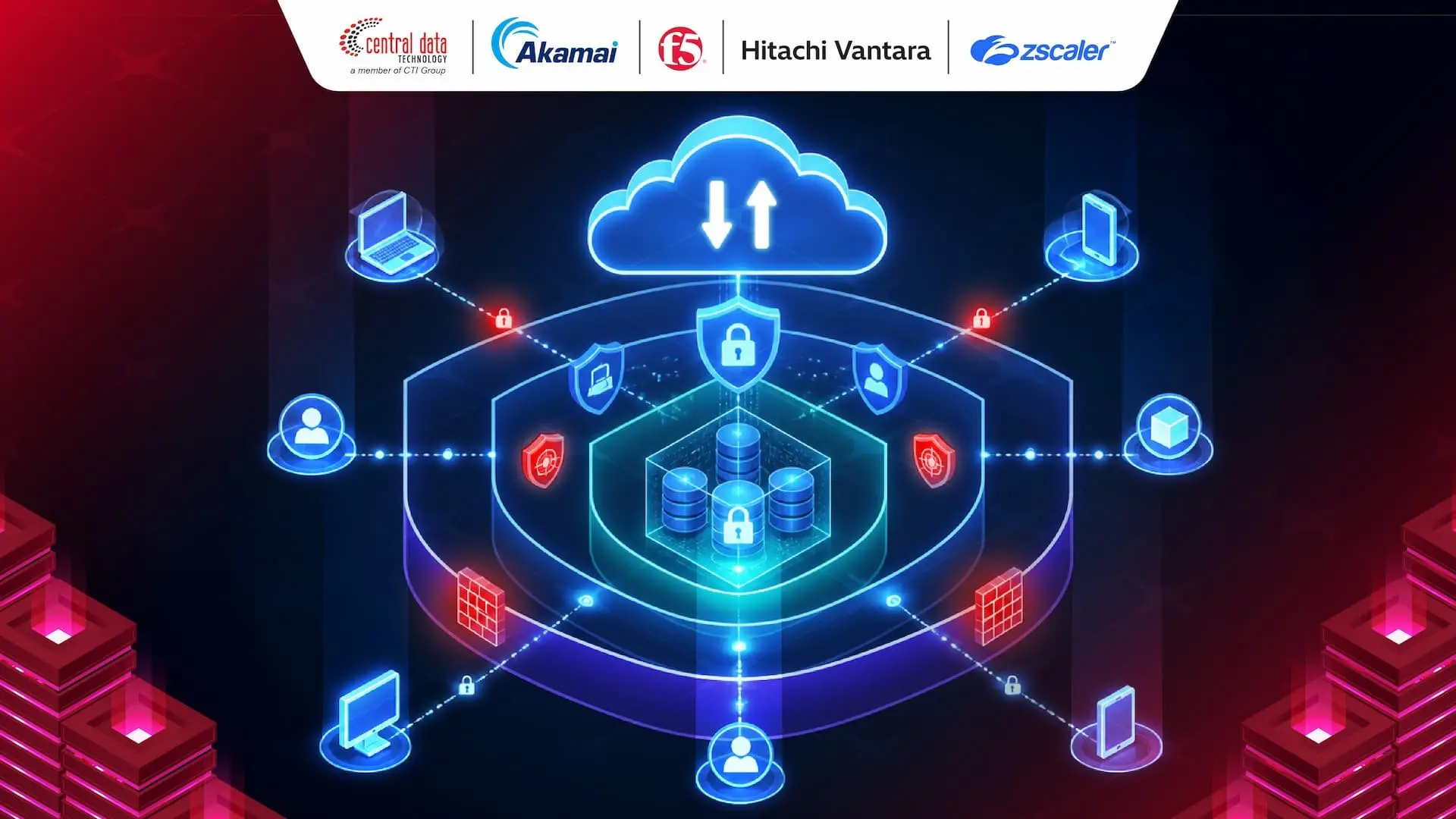
Ransomware doesn’t stay in one place. It gets in, moves fast, and spreads across multiple layers before you even realize it. That’s why fragmented security won’t hold up. You need controls that work together across access, applications, and the network to stop threats before they gain momentum.
With that in mind, Central Data Technology (CDT) brings together integrated solutions from Zscaler, Akamai, F5, and Hitachi Vantara, giving you the visibility and control to stay ahead, even when an attack is already in motion.
Zscaler Private Access (ZPA)
Zscaler Private Access (ZPA) applies a Zero Trust Network Access model that connects users directly to applications without exposing the network. With over 500 billion security transactions processed daily across its global cloud security platform, it significantly reduces the attack surface.
Identity and policy-based access ensures only verified users can reach specific applications. By eliminating traditional VPN exposure, it removes common entry points attackers rely on.
Akamai Guardicore Segmentation
Akamai Guardicore takes security beyond perimeter defense, shifting the focus to internal protection that stops ransomware before it spreads. With agent-based microsegmentation and behavior-driven policy recommendations, the platform helps teams detect anomalies faster and apply adaptive controls based on how systems actually communicate.
With full visibility down to the process and internal traffic level, IT teams can understand system relationships in real time and quickly isolate suspicious activity before it turns into a larger incident. This approach effectively stops lateral movement, reduces the blast radius of attacks, and keeps critical infrastructure and data integrity protected.
F5 Web Application Firewall (WAF)
Many ransomware attacks begin by exploiting vulnerabilities in web applications or APIs. F5 Web Application Firewall (WAF) protects this layer by defending against OWASP Top 10 risks, bot attacks, and other common exploits.
With SSL/TLS inspection and integrated threat intelligence, attacks can be detected and blocked in real time before reaching core systems. With over 50 percent of enterprise applications powered by F5 technology, it’s proven at scale to secure critical application environments.
Hitachi Data Protection & Ransomware Recovery
When systems are impacted by ransomware, the priority shifts to restoring operations without prolonged disruption. At this point, data readiness and recovery speed become critical.
Hitachi delivers a cyber resiliency approach through immutable backup and rapid recovery, ensuring data remains available when needed. With up to 99.999 percent data availability and an isolated recovery environment, organizations can restore systems quickly without the risk of reinfection.
Lower Your Ransomware Risk with CDT
Central Data Technology (CDT), part of CTI Group, helps organizations build a more structured security approach to handle ransomware. From access control and application protection to data protection and recovery, each layer is aligned to reduce risk and keep impact under control.
With solutions designed for a wide range of IT environments, including cloud, hybrid, and multivendor, CDT helps organizations maintain system stability and keep operations running, even under cyberattack pressure.
Connect with CDT to find the right approach for protecting your business from ransomware risk.
Author: Danurdhara Suluh Prasasta
CTI Group Content Writer