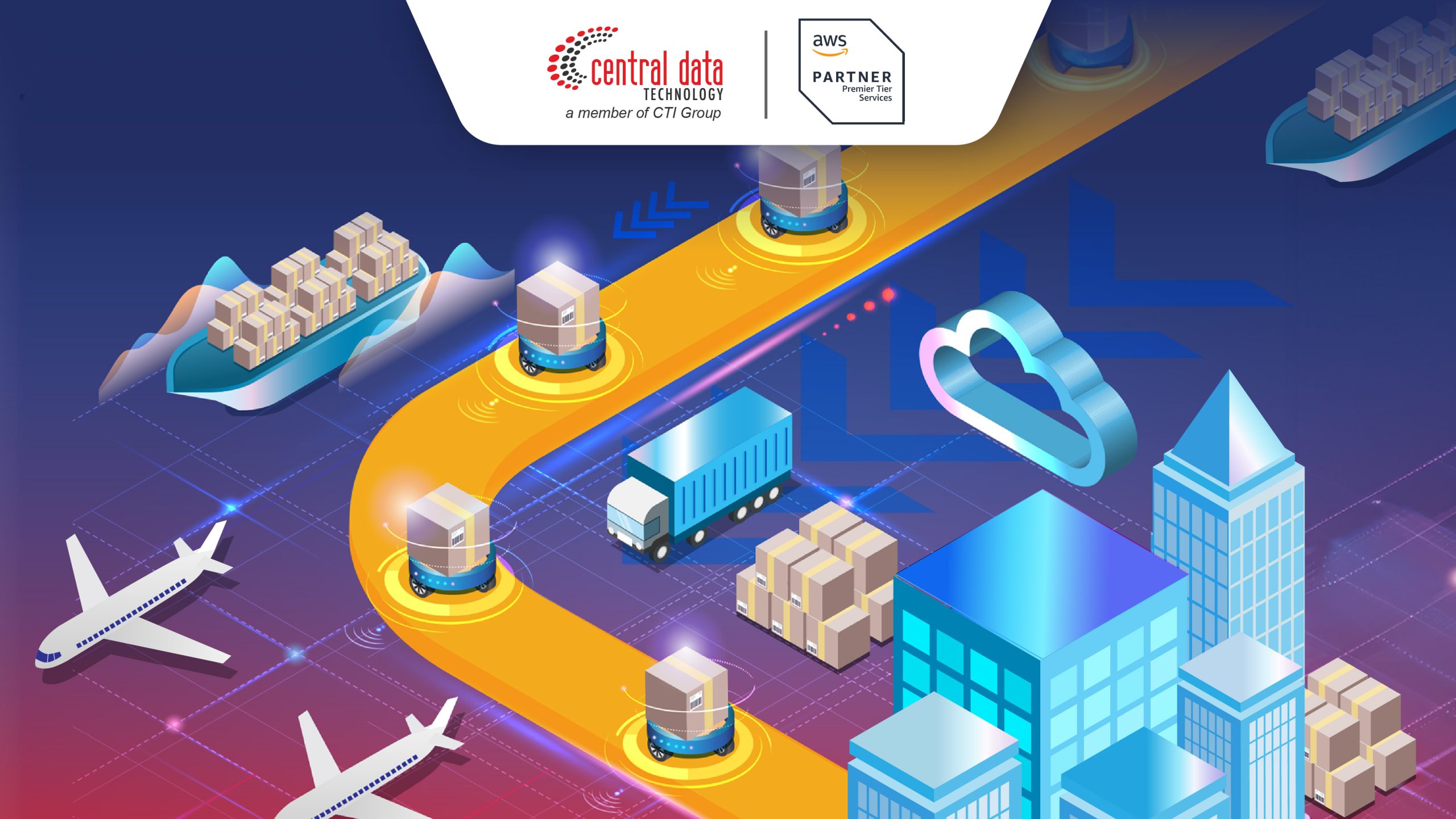
Digital transformation is no longer limited to customer experience. It’s now reshaping core operations, including logistics and distribution.
As supply chains grow more complex, many B2B companies are starting to hit the limits of traditional systems. Processes feel slower, coordination becomes harder, and scaling operations takes more effort than it should.
An AI-powered transportation management system (TMS) helps address these challenges by bringing more structure, visibility, and intelligence into daily logistics operations.
Where Traditional Logistics Starts to Break Down
In many organizations, transportation still relies on disconnected systems and manual processes. Shippers, warehouses, and carriers often work separately, which makes coordination inefficient.
This often leads to familiar issues such as miscommunication, delivery delays, and inconsistent data across teams.
Without real-time visibility, teams tend to react after problems occur. Route planning is usually based on static or outdated data, making it difficult to adjust when conditions change.
At the same time, expectations continue to rise. Faster delivery and lower costs are no longer optional. These pressures make it harder for traditional setups to keep up.
How AI Is Changing Transportation Management
AI introduces a more adaptive approach to logistics operations.
Instead of relying solely on predefined rules, the system analyzes data continuously and adjusts based on current conditions. It learns from past patterns, identifies irregularities, and supports more informed decisions.
This allows teams to respond earlier when something starts to shift. In many cases, issues can be reduced before they affect delivery timelines. Over time, operations become more stable and easier to manage, even as complexity increases.
What You Can Expect from an AI-Powered TMS

AI-powered TMS platforms focus on improving everyday logistics execution.
Route planning becomes more dynamic, taking into account traffic, distance, and delivery constraints in real time. Vehicle capacity is used more efficiently through better load allocation.
Delivery estimates are more accurate because they reflect current conditions, not just historical averages. Shipment tracking provides clear visibility across the entire journey, while built-in alerting helps teams respond quickly when disruptions occur. Planning also improves with better forecasting, which helps reduce last-minute adjustments and unnecessary costs.
Enhancing Supply Chain Visibility with Real-Time Data
One of the biggest improvements companies notice after adopting modern TMS is visibility.
With real-time data, teams can monitor shipments, track progress, and spot potential delays early. If something unexpected happens, they can quickly adjust whether that means rerouting a delivery or updating the schedule.
This kind of setup is often called a supply chain control tower, everything is visible in one place, making coordination much easier. And when you can see what’s happening clearly, decision-making naturally becomes faster and more accurate.
Route and Cost Optimization with Predictive Analytics
AI also supports forward planning by identifying patterns that are not always visible in day-to-day operations.
Through predictive analytics, a TMS can analyze patterns such as demand fluctuations, traffic conditions, and potential delays. Based on these insights, the system can recommend alternative routes or more efficient distribution strategies.
For example, recurring congestion patterns can be identified in advance, allowing the system to automatically suggest better routes. This approach improves delivery consistency, reduces fuel usage, and increases fleet efficiency. It also helps teams move away from constant firefighting and toward more structured planning.
Integrating TMS with ERP and Logistics Platform
Logistics systems need to work as part of a connected ecosystem.
For companies with large distribution networks, integrating TMS with ERP, warehouse systems, and other logistics platforms helps ensure that data flows smoothly across operations.
With proper integration, information flows automatically between systems. This improves accuracy, reduces duplication, and keeps everyone aligned. API-based connections also make it easier to adapt as business needs change, without having to rebuild everything from scratch.
The Business Impact of AI in B2B Logistics Distribution
AI adoption in TMS brings measurable improvements to daily operations. Distribution processes become faster and more efficient, enabling companies to meet Service Level Agreements (SLAs) more consistently.
At the same time, route and resource optimization significantly reduce operational costs. Improved visibility also enhances transparency for customers, building greater trust and long-term loyalty.
In the long run, the ability to adapt quickly to market changes becomes a critical competitive advantage, while also improving overall customer experience, particularly in delivery reliability and information transparency.
Scaling AI in TMS with the Right Platform
To get the most out of AI, companies need a platform that can handle data processing and model management efficiently. Machine learning models rely on historical and real-time data to generate useful insights. These models need to be continuously updated as conditions change.
With platforms like Amazon SageMaker, organizations can build, train, and manage machine learning models more efficiently and in a more structured way. This enables teams to handle large-scale data, develop predictive models, and deploy them into operational systems like TMS without unnecessary complexity.
In logistics, this opens opportunities to improve demand-forecasting accuracy, dynamically optimize routes, and detect potential supply-chain disruptions before they occur.
Additionally, cloud-based platforms offer the flexibility to scale computing and storage resources as needed, an essential capability for B2B companies dealing with large volumes of real-time data.
Backed by Amazon Web Services, organizations can build AI solutions with high reliability and scalability, making AI-driven TMS not just a short-term initiative but a long-term strategic capability.
Building a Smarter and Secure Logistics Platform with CDT
Successful AI adoption depends on how well the solution is implemented and integrated into existing operations. As part of CTI Group, Central Data Technology (CDT) supports organizations in building logistics platforms that are scalable, secure, and aligned with business needs.
With experience as an AWS Premier Partner in Indonesia, CDT helps ensure that cloud and AI solutions are implemented effectively and work seamlessly with existing systems.
From initial planning to ongoing monitoring, the focus is on creating a stable and reliable logistics environment. Ready to improve your logistics operations? Start building your AI-powered transportation management strategy with CDT and bring more efficiency and control into your distribution process.
Author: Wilsa Azmalia Putri
Content Writer CTI Group